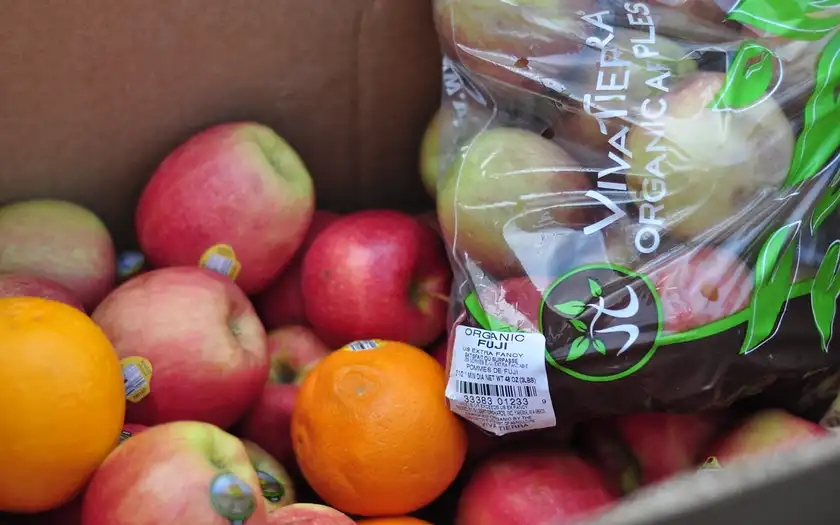
Ottawa's food insecurity problem is not abstract. In 2024, more than 1 in 8 households in the Ottawa-Gatineau region reported skipping meals or reducing portion sizes due to cost. Outreach programs fill the gap between government support and real daily need — through meals, connection, and showing up consistently. This page explains how these programs operate, what they offer, and how residents can access or support them.
What "Outreach" Actually Means in a Food Context
Outreach is not just distributing food at a fixed location once a week. Effective food outreach in Ottawa includes going where vulnerable people are — shelters, transitional housing, outdoor spaces — and building enough trust that people return. It combines meal programs with referrals to housing, mental health support, and income assistance. The difference between outreach and charity is relationship: outreach programs measure success not only in meals served but in whether someone feels seen.
The Scale of Food Insecurity in Ottawa
Before choosing how to help or where to seek help, it helps to understand the actual numbers.
| Indicator | Data Point |
|---|---|
| Ottawa households experiencing food insecurity (2024) | Approx. 14% |
| Visits to Ottawa food banks per month (2024 average) | Over 50,000 |
| Children under 18 in food-insecure households, Ottawa | Estimated 1 in 5 |
| Increase in demand since 2019 | Over 80% |
| Primary reasons reported | Housing costs, low wages, disability income |
These numbers explain why outreach programs have expanded far beyond traditional soup kitchens. The population seeking help now includes working adults, families with children, seniors on fixed incomes, and newcomers navigating the settlement process.
Types of Outreach Programs Operating in Ottawa
Ottawa has a layered network of community programs. They are not interchangeable — each serves a specific population or fills a specific gap.
Community Meal Programs
Sit-down or take-away meals offered regularly at a fixed location. These programs prioritize dignity — meals served at tables, with real dishes, in a space that does not feel like a waiting room. Supper Table operates in this model: a hosted community meal where guests are treated as guests, not clients.
Mobile and Street Outreach
Teams bring food directly to people living outdoors, in encampments, or in locations not served by fixed sites. Mobile outreach in Ottawa has grown significantly since 2021, particularly in response to rising visible homelessness in Centretown, Vanier, and along the Rideau River.
Culturally Specific Programs
Ottawa's newcomer population — particularly refugees from East Africa, the Middle East, and Southeast Asia — often face barriers at general food programs: language, dietary restrictions, unfamiliarity with the system. Several outreach programs specifically serve these communities with appropriate foods and multilingual staff.
Outreach Integrated with Social Services
Some programs combine food with on-site support workers who assist with applications for Ontario Works, disability benefits, or housing. This model produces better long-term outcomes because hunger is rarely the only issue.
How Supper Table Fits Into Ottawa's Outreach Network
Supper Table operates as a community meal program with a specific philosophy: the table is a place of belonging, not just nutrition. Programs like this address something food banks structurally cannot — the social isolation that accompanies food insecurity. When someone sits down for a shared meal, they are also accessing informal social support, peer connection, and human contact that may be their primary interaction of the day.
What distinguishes a hosted meal model from other formats:
- No intake forms or eligibility screening at the door
- Volunteer hosts who eat alongside guests, not just serve
- Consistent weekly schedule that guests can rely on
- Meals prepared from whole ingredients, not surplus packaged goods
- Space designed to feel like a dining room, not a gymnasium
This matters because research from Canadian food security organizations consistently shows that dignity in food access affects whether people return and whether they engage with additional supports.
Who Can Access These Programs
There are no universal eligibility requirements across Ottawa outreach programs. Most operate on a self-identification basis — you do not need to prove income, show ID, or register in advance. This is intentional: the most marginalized people are often the least able to navigate administrative systems.
People who regularly use Ottawa community meal and outreach programs include:
- Adults experiencing homelessness or unstable housing
- Seniors living alone with limited mobility or income
- Families where one or both adults work but cannot cover rent and groceries
- People in recovery from addiction or mental health crises
- Newcomers and refugees during the settlement period
- Youth aging out of the foster care system
If you are unsure whether a program is "for you," assume it is. These programs are funded and staffed precisely to avoid turning people away.
How to Volunteer with Outreach Programs in Ottawa
Volunteering for food outreach is different from other volunteer work. It requires reliability over enthusiasm — showing up on a scheduled evening matters more than grand gestures. Programs lose effectiveness when volunteers are inconsistent, because guests notice and trust erodes.
Roles typically available:
| Role | Commitment | Skills Required |
|---|---|---|
| Meal prep volunteer | 2–3 hours before service | None, training provided |
| Serving / hosting | During meal service (1.5–2 hrs) | Interpersonal comfort |
| Outreach walker (mobile programs) | Evening shifts, outdoor | Physical fitness, non-judgmental attitude |
| Administrative support | Flexible, often remote | Organization, communication |
| Donation sorting | Daytime, flexible | None |
Most programs ask for a minimum of one shift per month to maintain roster consistency. Some, including Supper Table, train volunteers specifically in trauma-informed interaction — meaning how to engage with guests who may be in distress without escalating situations.
How Donations Support Outreach Programs
Cash donations are more operationally useful than food donations for most Ottawa programs. Here is why:
- Programs can buy ingredients in bulk at wholesale prices, stretching $1 into roughly $5 of food value
- Food donations are often high in sodium, low in nutritional density, and unsuitable for culturally specific menus
- Cash allows programs to buy what is needed the week it is needed, responding to guest volume
That said, specific in-kind donations are valuable when aligned with program needs. If you want to donate goods, contact the program first and ask what is on their current needs list.
What a typical donation covers:
| Donation Amount (CAD) | What It Provides |
|---|---|
| $10 | Ingredients for one full meal for one person |
| $25 | Groceries for a family-style meal for 4–5 people |
| $50 | One community meal shift's worth of produce |
| $100 | Covers a full meal service for a small group |
| $500 | Sponsors one weekly meal program for a month |
Charitable donations to registered Canadian nonprofits are eligible for federal and provincial tax credits. In Ontario, a $500 donation generates approximately $240 in combined tax credits.
Connecting Outreach Programs to Broader Food Security Work
Individual programs like Supper Table do not exist in isolation — they are part of Ottawa's broader food security infrastructure alongside food banks, school breakfast programs, community gardens, and government nutrition programs. The most effective outreach programs maintain active referral relationships with:
- Ottawa Inner City Health
- The Ottawa Mission
- Shepherds of Good Hope
- Somerset West Community Health Centre
- Multifaith Housing Initiative
This means that someone accessing a community meal program can, through a conversation with a volunteer or staff member, be connected to housing support, addiction services, or income assistance — without needing to know where to start on their own.