Community meal programs in Ottawa serve thousands of residents each year who face food insecurity due to low income, unemployment, disability, or housing instability. These programs go beyond feeding people — they create a structured point of connection for individuals who may otherwise be isolated. Whether you are looking for a meal, want to volunteer, or are considering a donation, this guide covers how Ottawa's meal programs actually work.
What Is a Community Meal Program
A community meal program is an organized food service that provides prepared meals to individuals and families at no cost or reduced cost. Unlike food banks that distribute groceries, meal programs serve ready-to-eat food in a communal or takeout format.
In Ottawa, these programs are typically run by non-profit organizations, faith-based groups, and registered charities. Some operate out of church halls or community centers; others use mobile outreach models to reach people in shelters, parks, or transitional housing.
Key features that distinguish meal programs from other food assistance:
- Meals are prepared and served on-site or distributed hot
- No purchase required — access is based on need or open to all
- Programs often include additional services: health referrals, social support, clothing
- Many run on a recurring weekly or daily schedule
Who Uses Community Meal Programs in Ottawa
Food insecurity in Ottawa is not limited to a single demographic. According to Statistics Canada data, approximately 1 in 6 Canadian households experienced some form of food insecurity in recent years, with urban centers like Ottawa seeing consistent demand for meal support services.
Groups most commonly served by meal programs include:
| Population Group | Common Barriers to Food Access |
|---|---|
| Adults experiencing homelessness | No fixed address, no kitchen access |
| Seniors on fixed income | Rising grocery costs, limited mobility |
| Newcomers and refugees | Unfamiliarity with local services, language barriers |
| Families with children | High housing costs leaving little for food |
| People with disabilities | Reduced employment income, transportation gaps |
Programs serving these groups typically adjust their format: drop-in meals for those without a stable schedule, pre-registered dinners for families, or mobile distribution for people who cannot travel to a fixed location.
Types of Meal Programs Available in Ottawa
Not all community meal programs operate the same way. Understanding the format helps you find the right fit — whether you need a meal yourself or are looking to direct others to the right resource.
Drop-In Meal Services
Drop-in programs require no registration and no ID. Anyone who shows up during service hours receives a meal. These are typically run in community centers or faith-based spaces and often serve lunch or dinner.
Scheduled Community Dinners
Some organizations run weekly or bi-weekly communal dinners that may ask for a simple registration to manage food quantities. These tend to be sit-down events with a stronger social component, including tables, conversation, and sometimes programming for children.
Mobile Meal Distribution
Mobile outreach brings prepared food directly to locations where food-insecure individuals are present — shelters, encampments, transitional housing, and specific neighborhoods with higher need. These programs are critical for reaching people who are not connected to institutional services.
Meals for Seniors
Several Ottawa programs specifically address senior food insecurity by delivering meals to homes or running low-cost dining programs at recreation centers. The combination of nutrition and regular human contact makes these programs particularly important for isolated older adults.
Meals for Youth and Families
School-based breakfast and lunch programs, after-school meal services, and family community dinners address food gaps for children whose households face economic instability. Some programs run year-round; others scale up during summer months when school meal access disappears.
How to Access a Community Meal Program in Ottawa
If you or someone you know needs access to a community meal, the process is typically straightforward.
Steps to find a program near you:
- Contact 211 Ontario — the provincial helpline connects callers to local food and social services by postal code
- Visit your local community center and ask about food programs in the building or nearby
- Reach out to Ottawa Public Health, which maintains referral lists for nutrition programs
- Ask at a walk-in clinic, shelter, or library — staff at these locations often know which programs are currently active
- Connect with a local food bank, which can refer you to prepared-meal services in addition to grocery support
Most programs do not require proof of income, government ID, or prior registration. The barrier to entry is intentionally low. If a program has a waitlist or specific eligibility, staff will explain the options and direct you elsewhere if needed.
How to Volunteer at Ottawa Meal Programs
Meal programs rely heavily on volunteers to function. Paid staff often handle coordination and logistics, while volunteers prepare food, serve meals, clean, and provide friendly support to guests.
Common volunteer roles:
| Role | What It Involves | Time Commitment |
|---|---|---|
| Meal prep assistant | Chopping, cooking, portioning food | 2–4 hours per shift |
| Service volunteer | Setting up, serving food, clearing tables | 2–3 hours per shift |
| Mobile distribution volunteer | Loading and handing out meals at outreach stops | 1–3 hours per route |
| Administrative support | Intake, data entry, donor coordination | Flexible, often remote |
| Driver / delivery volunteer | Transporting meals to homebound individuals | Variable |
Most organizations ask volunteers to complete a brief orientation before their first shift. Programs serving vulnerable populations often require a criminal record check, which the organization typically facilitates at no cost to the volunteer.
To get started, contact the meal program directly or reach out through a volunteer matching platform. Many Ottawa charities also list opportunities through Volunteer Ottawa.
How Donations Support Meal Programs
Financial donations and food donations both play a direct role in keeping meal programs running. Here is how each type of contribution is typically used:
Monetary Donations
Cash donations allow organizations to purchase food in bulk at lower prices, pay kitchen staff, maintain equipment, and cover program costs that in-kind donations cannot address. Even small recurring monthly donations provide budget stability that one-time large gifts do not.
A general benchmark: many community kitchens can produce a nutritious meal for approximately $3–$7 per person depending on ingredients, volume, and whether the space is paid or donated. A $50 donation can cover 7–15 meals in a well-run program.
Food Donations
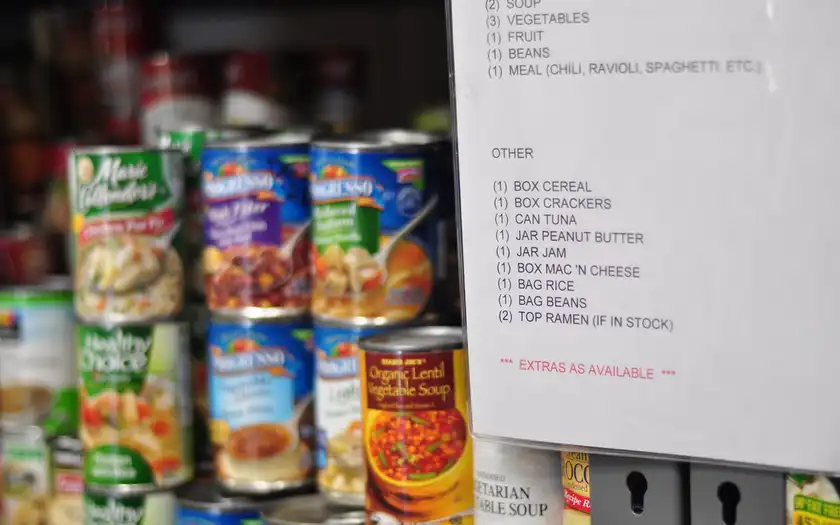
Non-perishable items like canned goods, pasta, rice, and cooking oil are useful, but programs often need specific items based on their current inventory. Before donating food, contact the organization to ask what they actually need — many have receiving guidelines and cannot store everything that arrives.
Perishable donations such as bread, produce, or prepared food require advance coordination and cold storage capacity. Some programs have relationships with grocery stores and restaurants for regular perishable donations.
Corporate and Event Sponsorship
Businesses can sponsor specific meal events, providing funding for a single dinner or a month of service. This is useful for companies with community investment goals and employees who may also want to volunteer as part of the sponsorship arrangement.
Challenges Facing Ottawa Meal Programs
Understanding current pressures helps donors and volunteers direct their support more effectively.
Rising food costs. Grocery inflation in Canada has significantly increased the per-meal cost for programs operating on fixed budgets. Programs that relied on $4 per meal budgets two years ago may now need $6 or more for the same nutritional quality.
Volunteer retention. High turnover among volunteers requires ongoing recruitment and training. Programs that depend on 20–30 regular volunteers are vulnerable when that base shrinks due to burnout, schedule changes, or life transitions.
Demand growth. Ottawa's food programs have reported consistent increases in usage since 2022, driven by housing costs, post-pandemic economic recovery gaps, and an influx of newcomers. Supply has not kept pace.
Kitchen infrastructure. Many programs operate in borrowed or aging kitchen spaces not designed for high-volume food production. Equipment failures or lease changes can disrupt service with little warning.